The Cart Wasn’t the Problem
Customers were filling their carts at 4ocean and then walking away. Checkout looked like the culprit, so that's where attention was going. But the investigation led me to look earlier in the shopping journey.
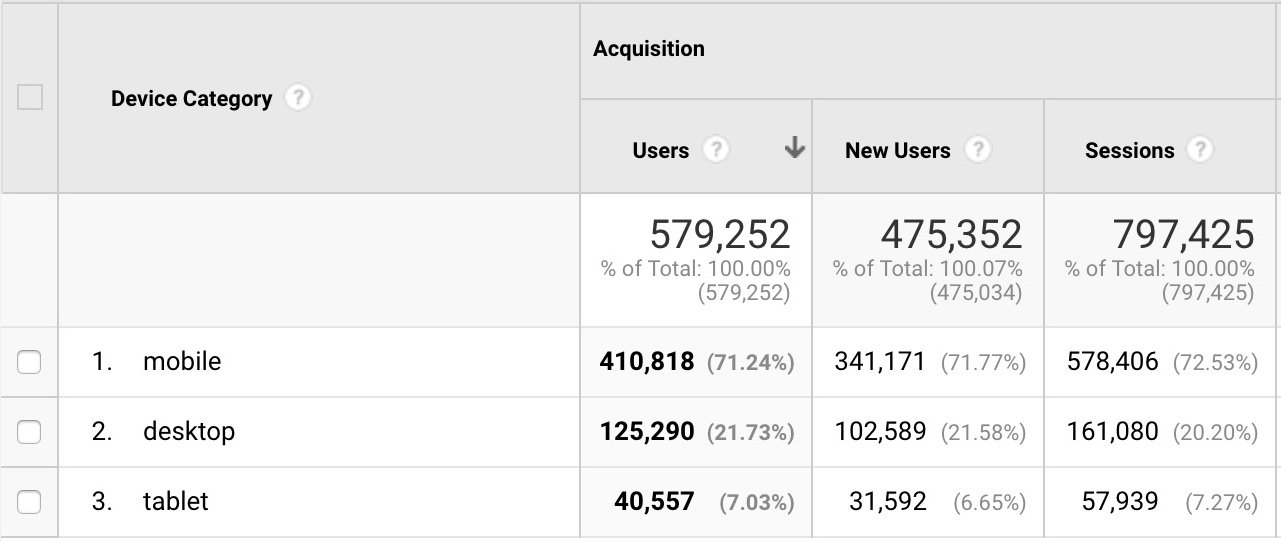
- Over 72% of sessions happened on mobile devices, meaning people were browsing, weighing options, and considering purchases on a small screen.
- And the catalog was built around merchandising, not product attributes. New releases, signature items, bundles and campaign timing set the order. Core bracelets were listed by date, so two that only differed by color could sit pages apart.
Mobile devices accounted for 72.53% of all sessions (578,406 of 797,425),
highlighting the importance of the mobile shopping experience.
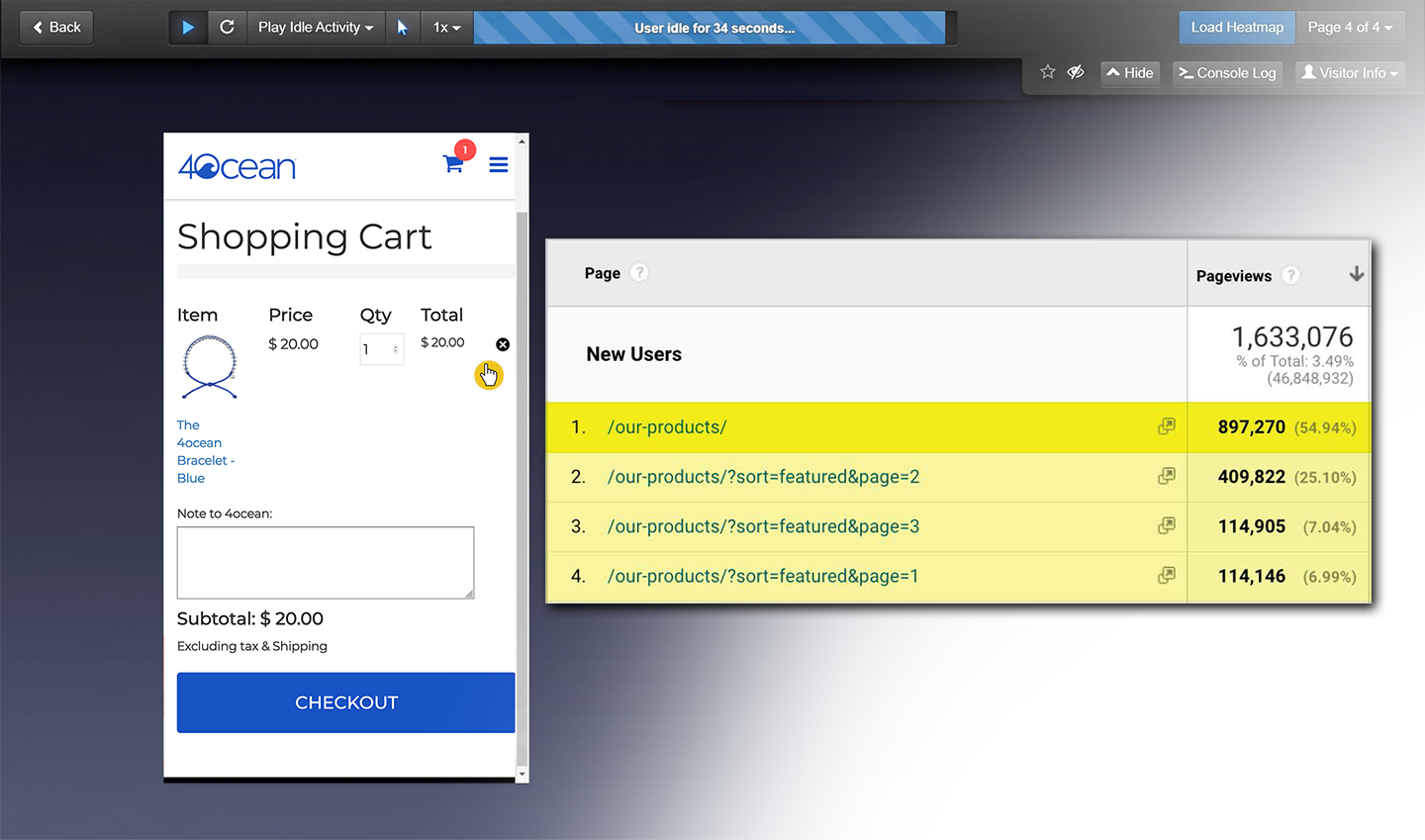
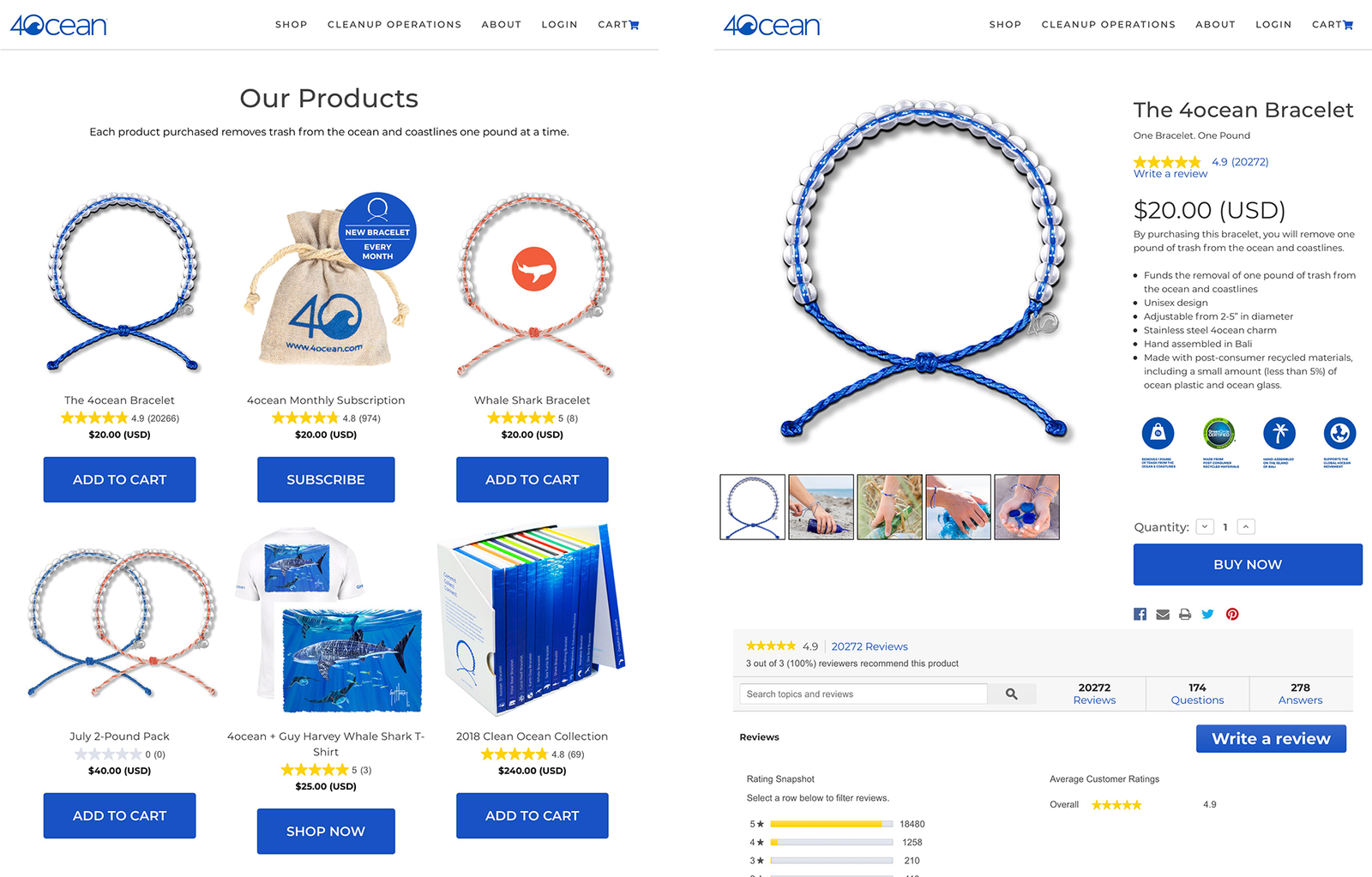
If the problem was evaluation, the fix had to move earlier. Mobile first, since that's where the traffic was.
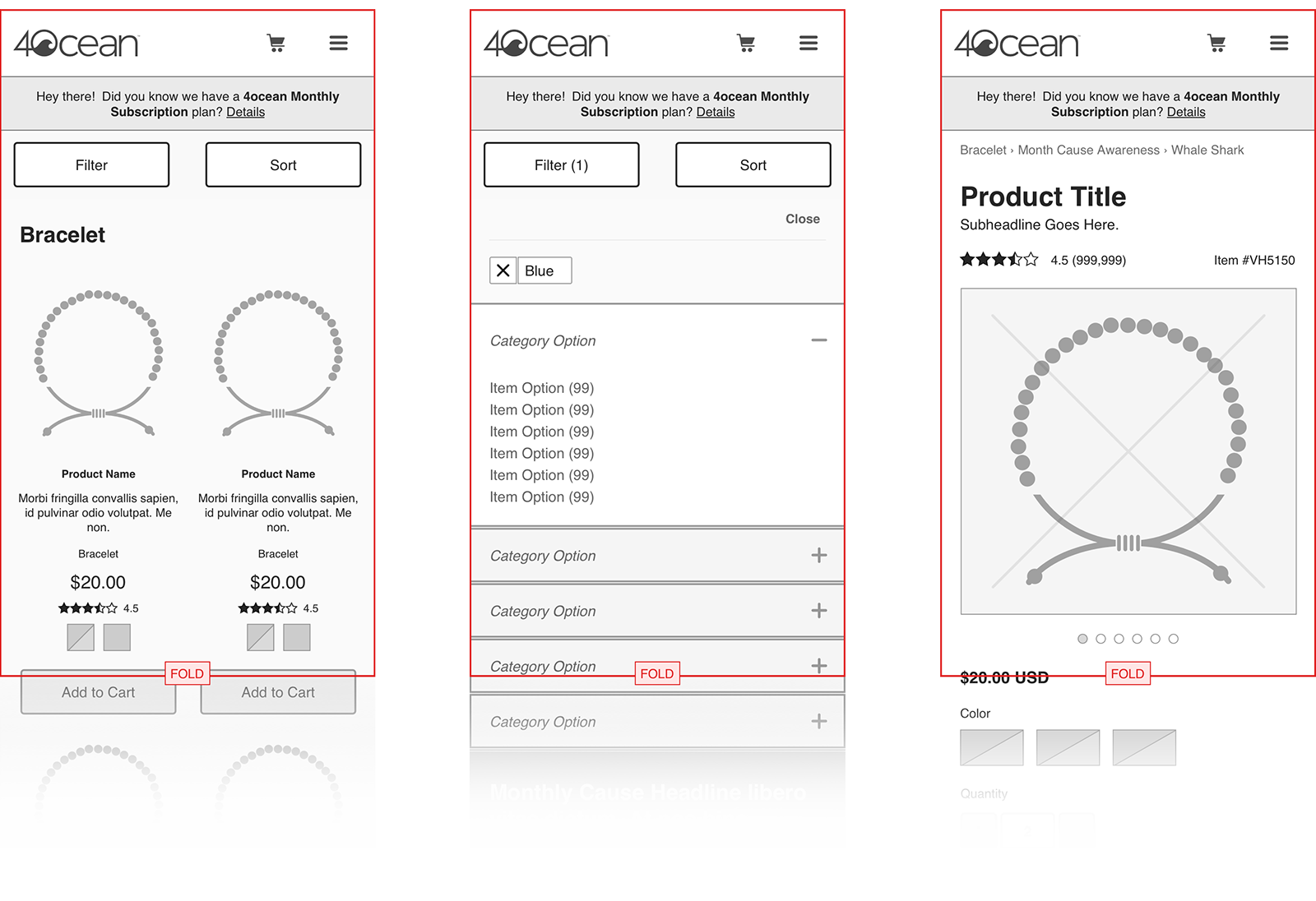
- Filters in a sidebar and dropdowns: color, conservation cause, price, rating
- Color shown on the card, so variations could be previewed without opening each product
- Cards reworked to surface the real differences between products
- A clearer way to pick a variation
- Split Buy Now. Marketing had been using the label to mean add to cart, which left the main action ambiguous. It became Buy Now for checkout and Add to Cart for the cart.
- A wishlist, so people had somewhere to park a product without loading up the cart
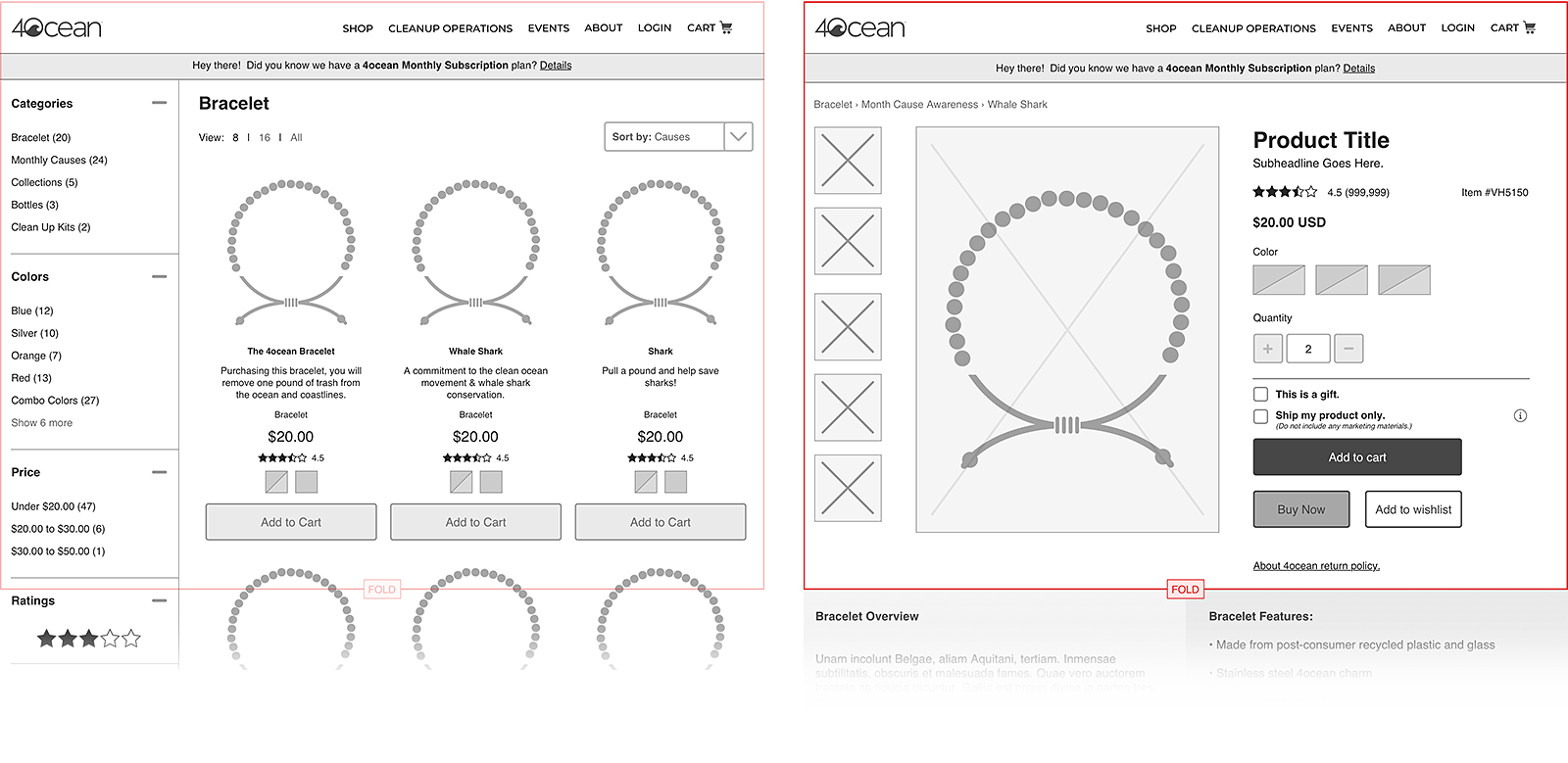
We tested two pages in Optimizely, partnering with the front-end team to launch variants across live traffic and multiple product sets. I recall the initial results as positive, but the original experiment records are no longer available to verify the outcome or quantify any lift.
Before any of it could roll out, a new CMO arrived and brought an outside agency in to redo the whole site. My designs went on the shelf. The company moved from Shopify to BigCommerce. How that went is public.
In Shopify's own case study, the CEO says the migration made the business plummet and cost them about 80% of organic traffic. Tens of thousands of dollars went into rebuilding things Shopify had done for free. They switched back.
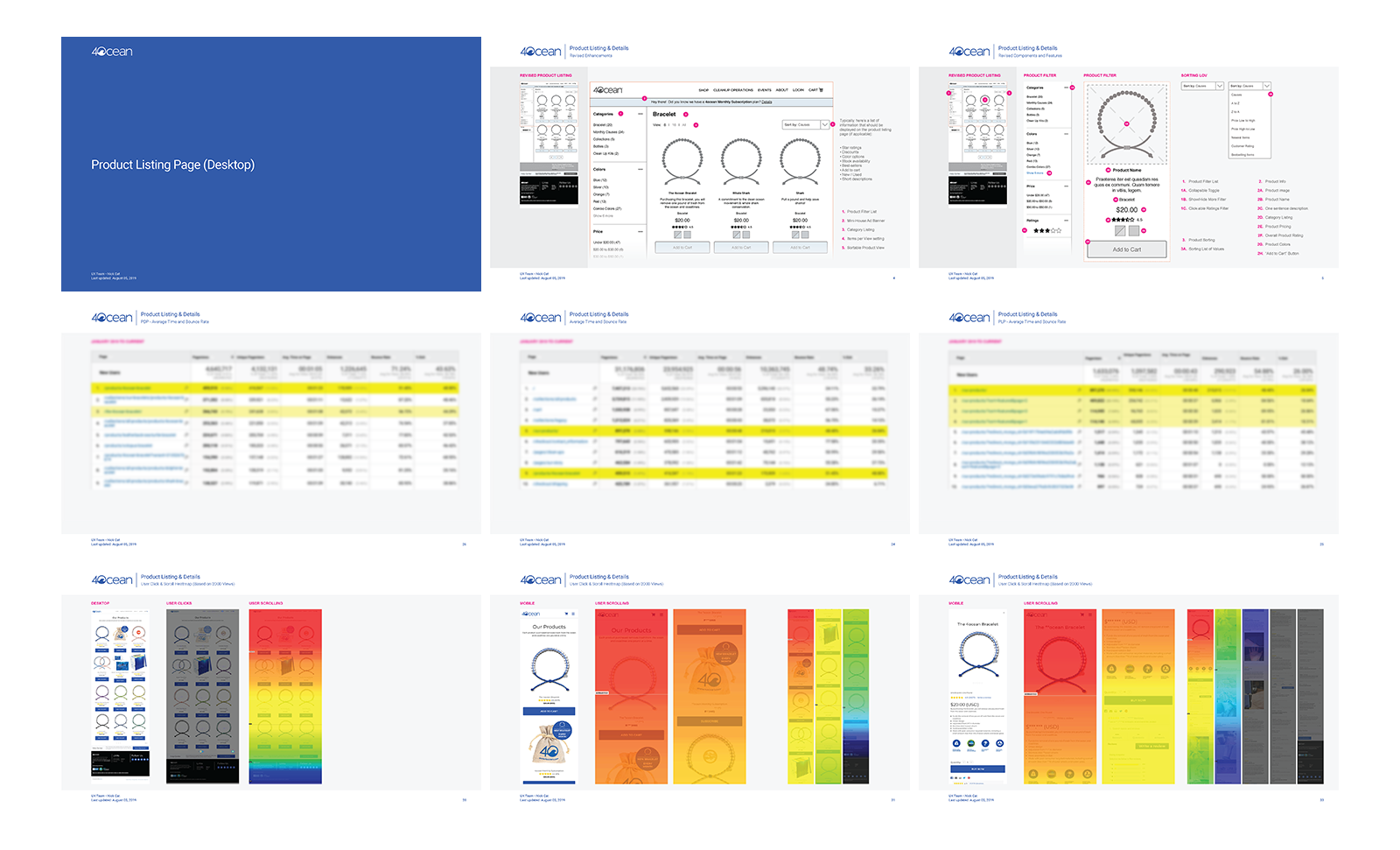
The 2020 COVID layoffs came mid-revival, while the new Shopify team was still being hired. My laptop went back with everything else. Optimizely exports, GA PDFs, session recordings, all gone.
What I still have is the research, the wireframes, the screenshots of the original pages, and the test result in my head. And the fact that leadership came looking for the work when they started over.