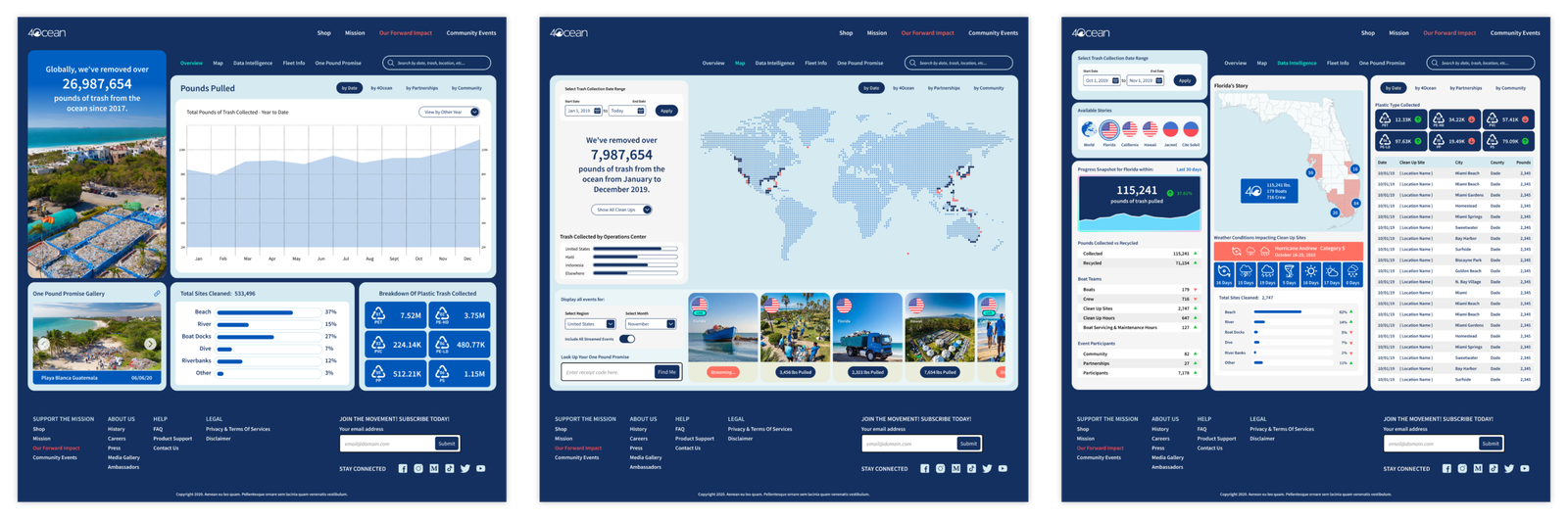
Trash Tracker: The Design Was Finished. The Product Wasn’t.
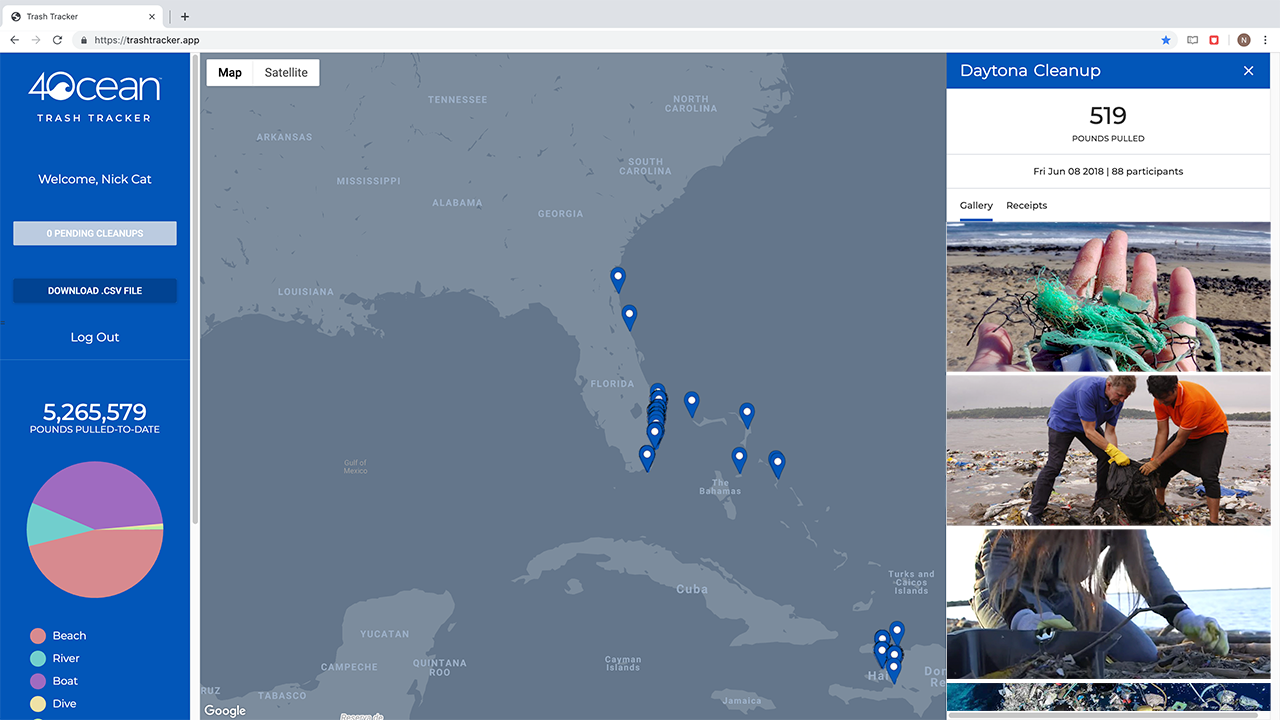
What nobody had settled was who it was for. There was no user testing plan behind it and almost no feedback to work from.
I came in as the sole designer to answer the product question before anyone spent more time on screens.
The working assumption was that the tracker served customers. It was for people who'd bought a bracelet and taken the One Pound Pledge, plus visitors curious about the mission.
Marketing and Conversion gave me funnel context and behavior data to pressure-test that. Then one conversation with the COO cracked it open. The audience was bigger than consumers:
- News media, looking for environmental numbers they could cite.
- Researchers, working on ocean health and plastic pollution.
- Government agencies, evaluating 4ocean as a potential partner.
Different reasons for showing up. Very different expectations for depth and credibility. The tracker stopped being a customer feature. It started looking like a public record.
The POC assumed one journey. Four audiences can't share one, and the experience had been built without asking who needed what.
I used Jobs-to-be-Done to move the team off features and onto intent. What each audience actually came to accomplish?
The jobs looked like this:
- When a customer checks their pledge, they want to see their own contribution, so they can trust the purchase meant something.
- When a journalist needs a number, they want a source they can cite, so they can publish without hedging.
- When a researcher pulls data, they want method and scope, so they can trust it's defensible.
From that, the strategy reduced to one word: transparency. Impact data had to be credible, not just present.
Four principles followed: Transparency first, audience-aware navigation, task-focused function, clear hierarchy.
Instead of debating whether a feature was buildable, we asked which audience need it served.
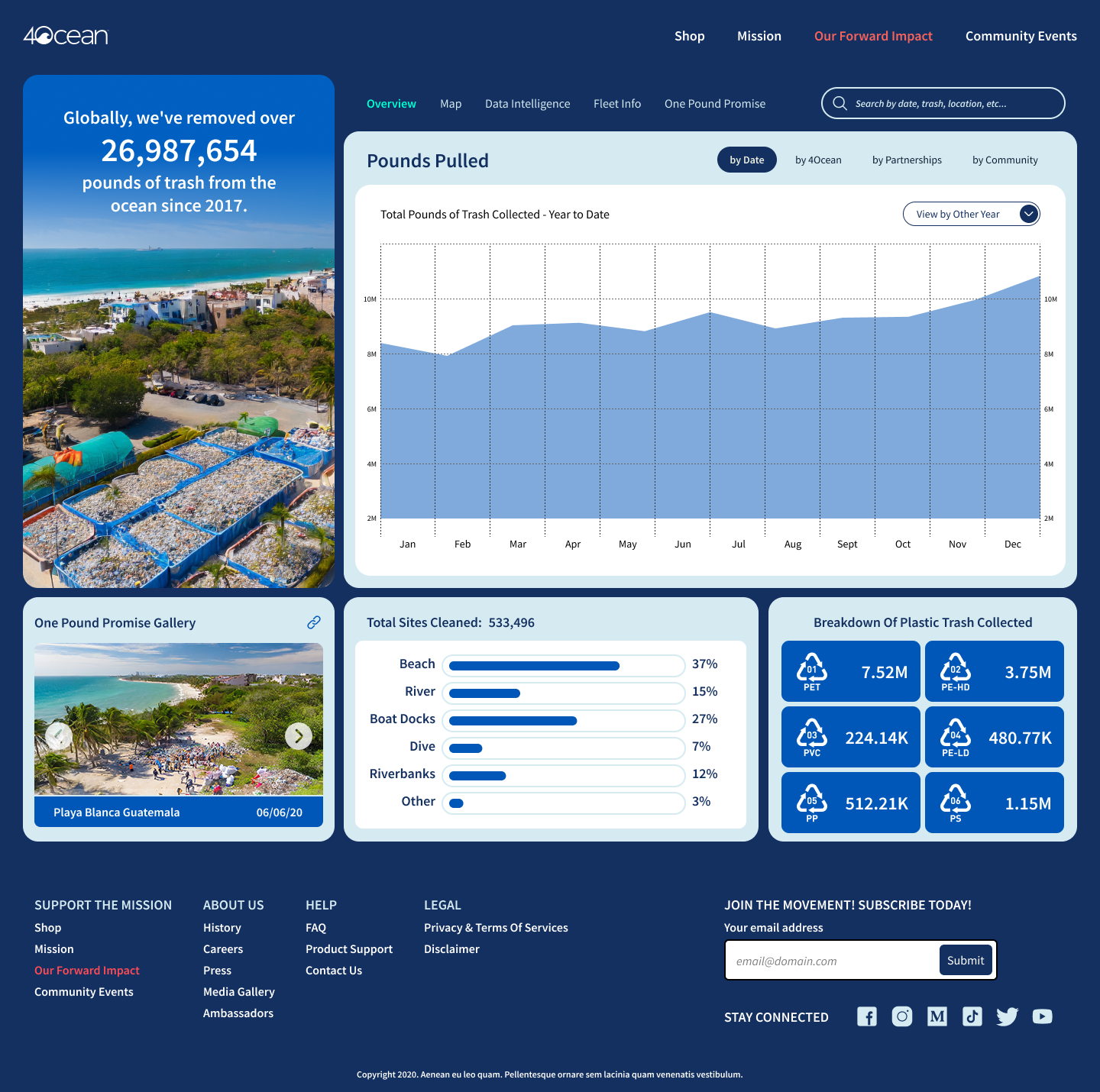
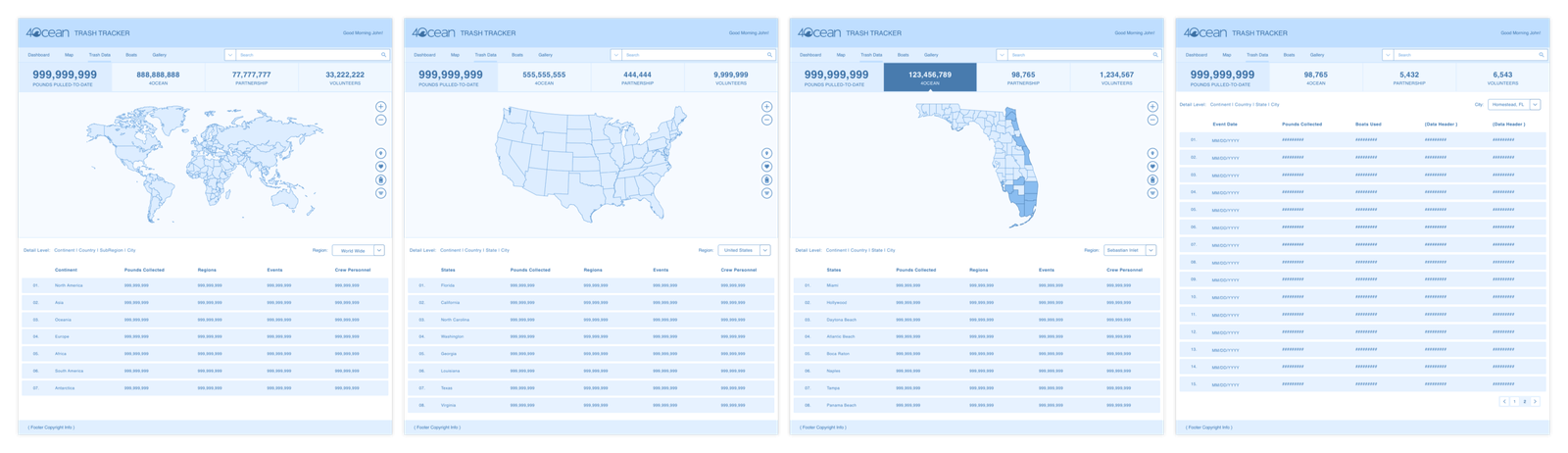
The final package: MVP wireframes, prototype, a design system, production-ready assets, and a 30-page annotated walkthrough for engineering.
And the work surfaced something uncomfortable. Making operational data public meant exposing more of how 4ocean runs than leadership had bargained for.
The founders reviewed the final designs. Then leadership put the resources into the e-commerce storefront instead. The storefront funds the mission, and it won.
The tracker was shelved. Not because the design failed. Because the business wasn't ready to open up its operations to the level the product promised.
The best idea in the project was also the reason it died. That's the part I think about most.
What I'd do differently: price the transparency before designing it. The COO conversation reframed the whole product, but it happened in week two. Earlier, and the "how much do we actually want to show" question would have been answered before a single wireframe.
Write the jobs down as sentences, not categories. The JTBD work moved the team, but as bullets it reads like a worksheet. As sentences it's an argument.